imajinl (🗽, ⚡️)
rice farmer fighting against the state
about
work history
I work as a data & research analyst at Forgd, a blockchain capital markets advisory platform that combines in-house software, proprietary data, and deep advisory expertise to support blockchain projects.
Previously, I was a core contributor at TokenomicsDAO (acquired by Forgd), a decentralized research and consulting organization focused on the token economies of crypto protocols.
I've also previously worked at Second Renaissance, a crypto-native hedge fund, on the data team covering crypto and macro trends.
bitcoin thesis
I like Bitcoin. A lot. Increasingly, Bitcoin is no longer just tail-risk insurance — it's becoming baseline insurance against persistent fiscal expansion, monetary inflation, and geopolitical fragmentation. At the end of the day, governments — especially democratic ones — print a lot of money. That's not necessarily because they want to, but because persistent deficits and political incentives make it the path of least resistance. Bitcoin, in that sense, acts as a kind of yardstick for how much money gets printed. Even if Bitcoin never becomes a widely adopted day-to-day form of money, it still functions as a check on the balance of power of governments — a kind of financial straightjacket that exists outside traditional systems.
In a world where individuals have access to a form of money that can move across borders in minutes, is governed by transparent and predictable monetary policy rather than political discretion, and can be held non-custodially and sent to anyone with an internet connection, traditional tools of financial repression — capital controls, yield curve control, currency debasement, etc. — become less absolute. Not obsolete, but weaker, because there is now a parallel financial system available to anyone willing to use it.
inequality thesis
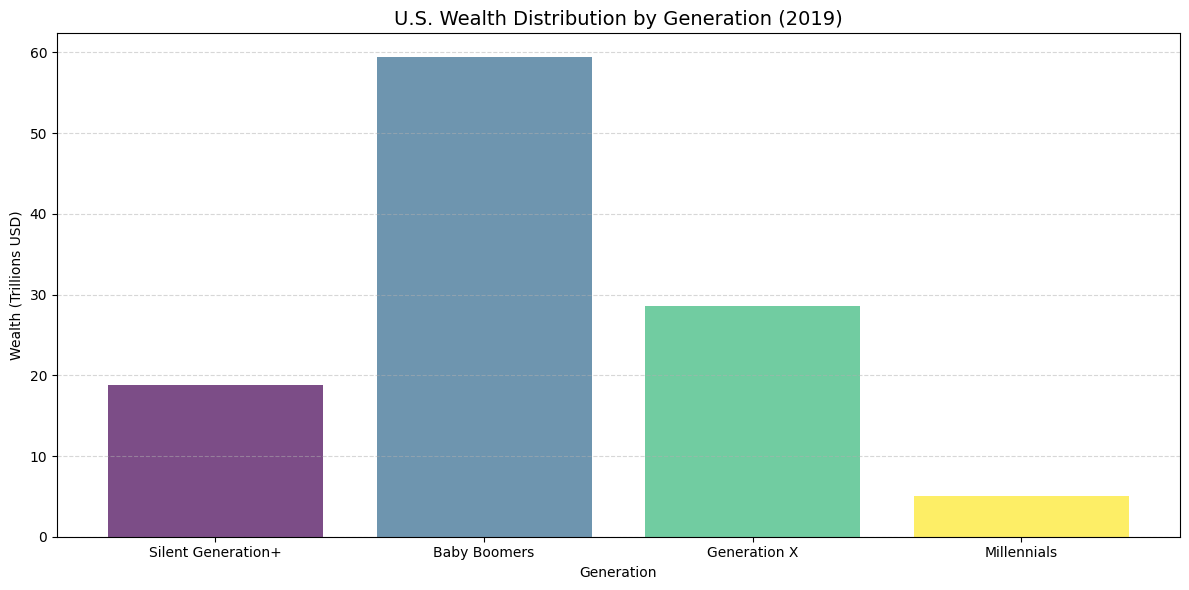
Millennials and Gen-Z are extremely cooked. Despite being the largest cohort, Millennials have more than an order of magnitude less wealth (in the U.S.) than Baby Boomers. Saddled with student loan debt. Priced out of the real estate market. Priced out of having kids.
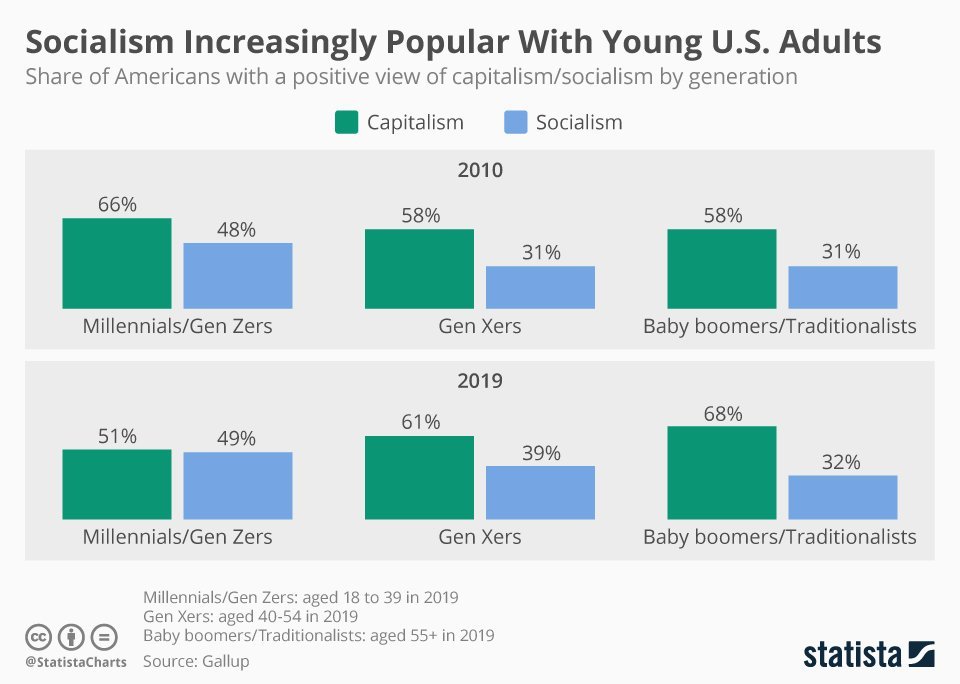
The reaction to this is twofold: (i) support for a form of socialism, and (ii) an increase in the hypergambling mentality — punting on shitcoins, buying 0DTE options, levered perp contracts, etc. All this to escape the ostensibly permanent underclass.
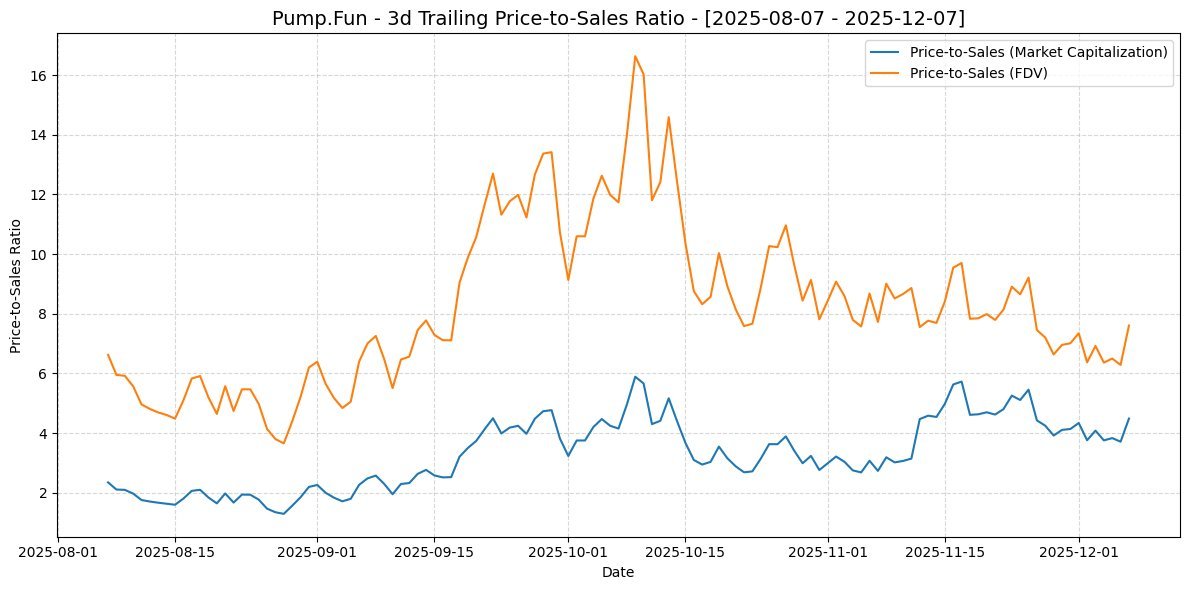
This is why I think Pump.fun, Hyperliquid, and Polymarket are the three most interesting businesses in crypto today. All are heavily indexed on Millennial / Gen-Z financial nihilism and the current hypergambling zeitgeist.
Looking at macro-level data, wealth inequality trends show a clear picture. Rich people getting richer, poor getting poorer. Rich having more assets, poor people having fewer. This is just the divide between the haves and have-nots, not to mention the intergenerational wealth inequality that prevails.
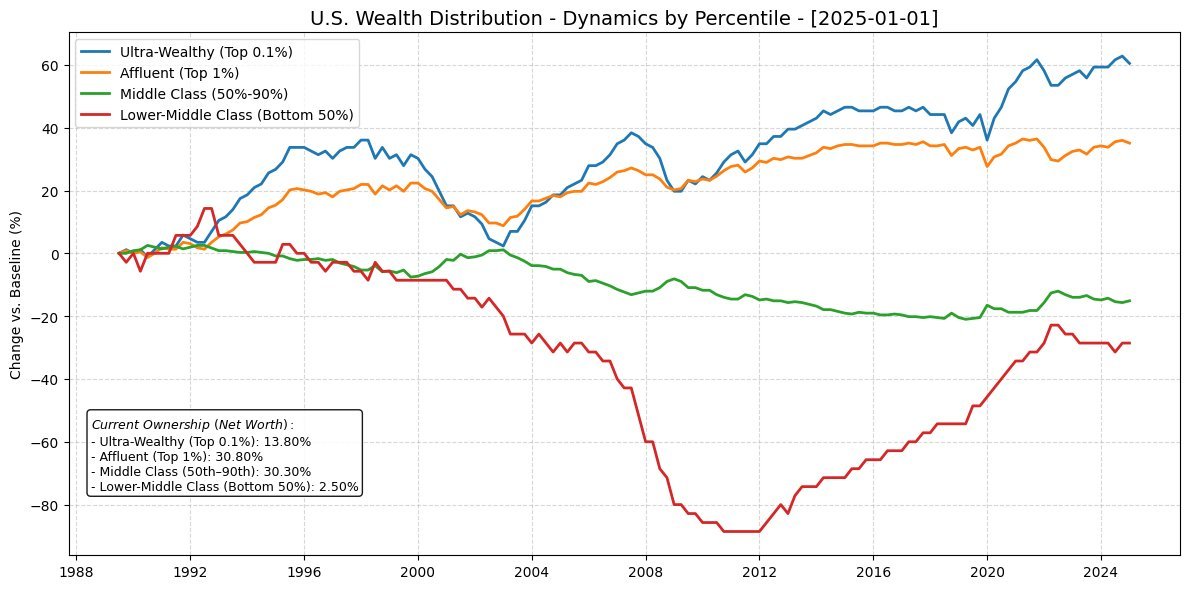
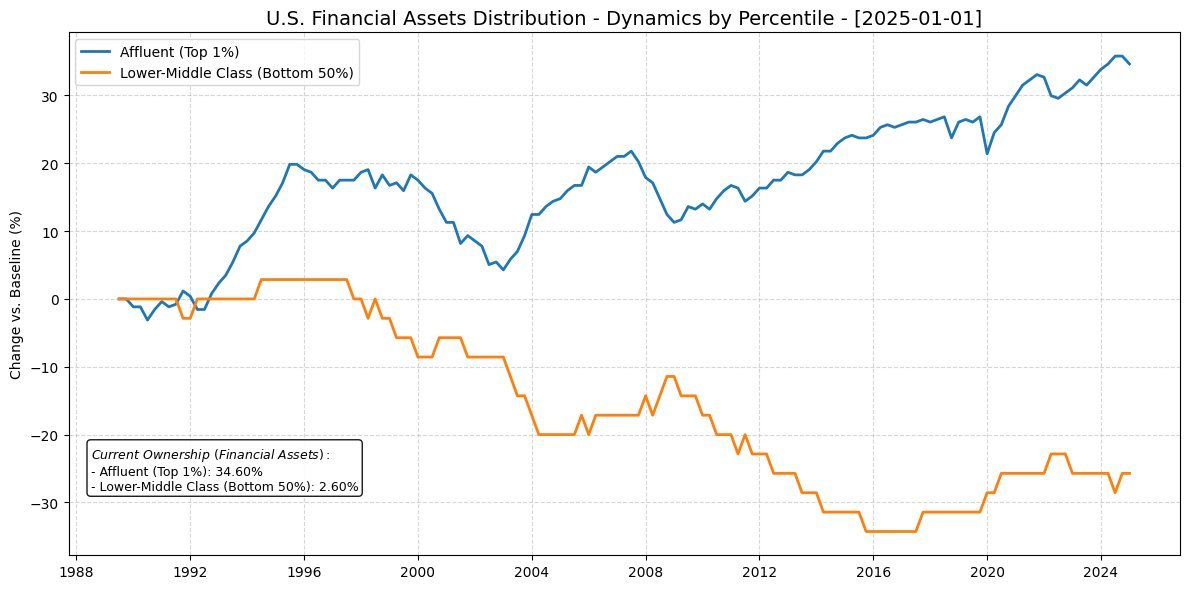
Naturally, the reaction — especially for the have-nots / younger generations — is trying to gamble their way out of this. And stock market index investing just won't cut it. Most global indices (for the top 10 economies by nominal GDP) don't even outperform the debasement of currency — crudely measured by M2 supply.
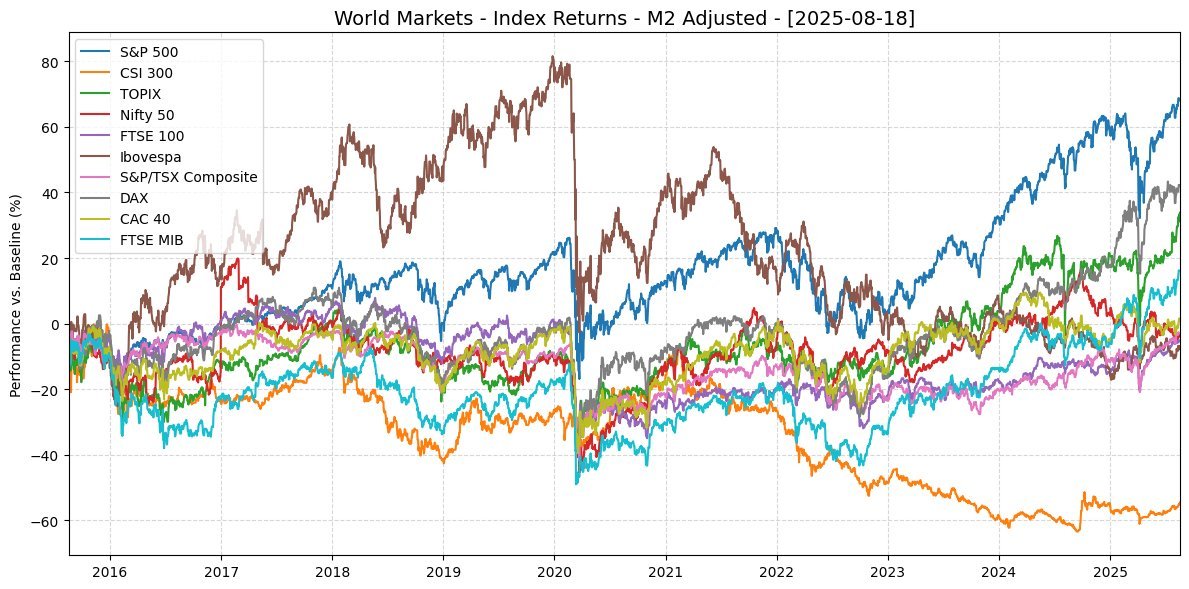
Hence the hypergambling mentality. Look at the growth of Robinhood (especially 0DTE options), prediction markets, sports betting, Pump.fun, Hyperliquid, etc. This is not some distant future — we're literally seeing this play out in front of our eyes.
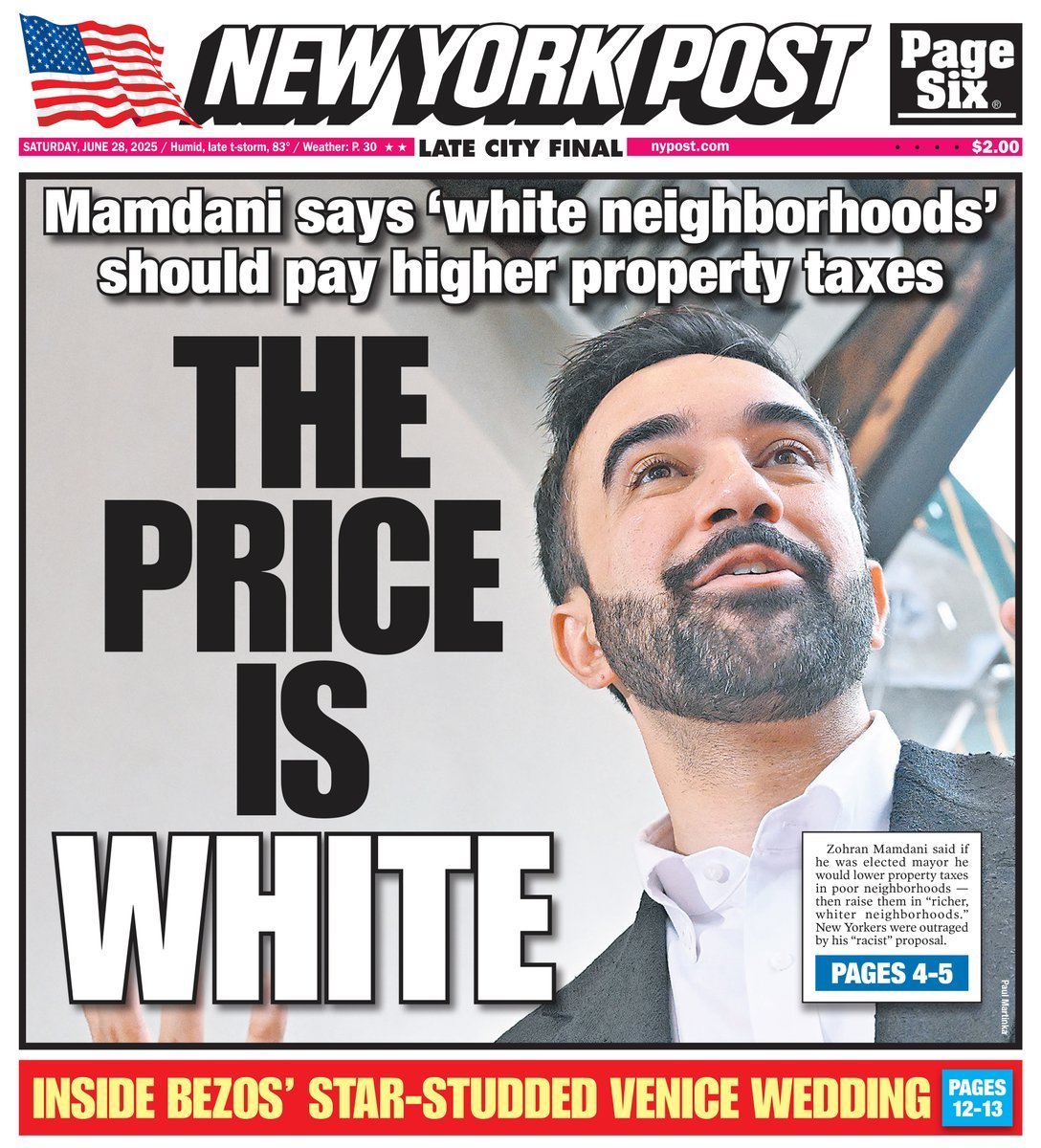
Yes, this is obviously not a stable equilibrium, and the fallout — which there definitely will be, retail has no edge in these markets — will be disastrous. This is clearly not the solution to the problem. Some form of revolution is likely. Perhaps Mamdani is a harbinger.
But in the meantime, it's wise to profit by being the house. The trend is real and should probably be taken advantage of. This can take the form of owning the tokens issued by these casinos (e.g., PUMP, HYPE) or the platforms that host them (SOL, etc.).
Tokens like PUMP are trading at extremely "cheap" valuations relative to the revenue they're raking in, with PUMP trading at a sub-8x P/S ratio.